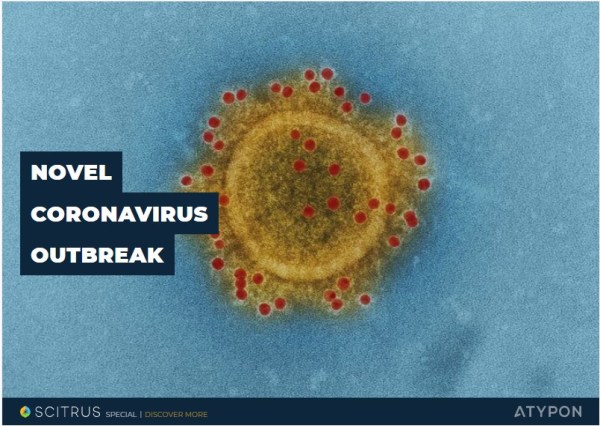
As the world struggles to cope with the coronavirus pandemic, simple and appropriate science communication can be a very powerful in helping governments, local authorities, businesses, institutions, and the common public in controlling the spread and minimizing the damage caused by this pandemic.
Three reliable sources to get all the information you need on the novel coronavirus
Three important and trusted sources that might suffice the needs of most researchers, doctors, government authorities, and the general public for information on the novel coronavirus.
The coronavirus has sparked a mini revolution of sorts in the need for Science Communication
Science communication is ripe for a paradigm change, and newer content formats might have a role to play. This probably hasn’t been more evident than now given the situation around the novel coronavirus (COVID-19). As I type this sentence, there are a total of 119,134 confirmed coronavirus cases* worldwide. Mainland China has detected 80,958 cases, half of... Continue Reading →
Newer content formats for research have the potential to redefine both discoverability and impact
This post is the second in a series of posts on research discoverability. The first was on how research discoverability could potentially be a bigger problem than paywalls. Here, I discuss examples of how newer content formats for communicating research can influence discoverability and impact. Scholarly publishing, meant for driving discovery and innovation, has ironically lacked innovation in... Continue Reading →
Discoverability is probably a bigger problem than paywalls
This is the first in a series of articles that discuss the various issues plaguing the discoverability of #research worldwide. In the past year, “Open Access” has been one of the most hotly debated topics in the scholarly publishing industry. The announcement of guidelines for Plan S, responses from various stakeholders, and the resulting amendments... Continue Reading →